

Get more out of every cell. Hear how, straight from the field.
Join us for a series of webinars covering the science, performance data, and real-world applications for same-cell multiomics.
Moving from Universal 3’ to Epi Multiome: All your questions answered, from sample prep to data analysis
Benchmarking performance: Niels Vandamme compares GEM-X Epi Multiome vs. the Next GEM assay across three tissue types
Customer spotlights: See Multiome in action across oncology and neuroscience research
A more complete picture, even from limited samples
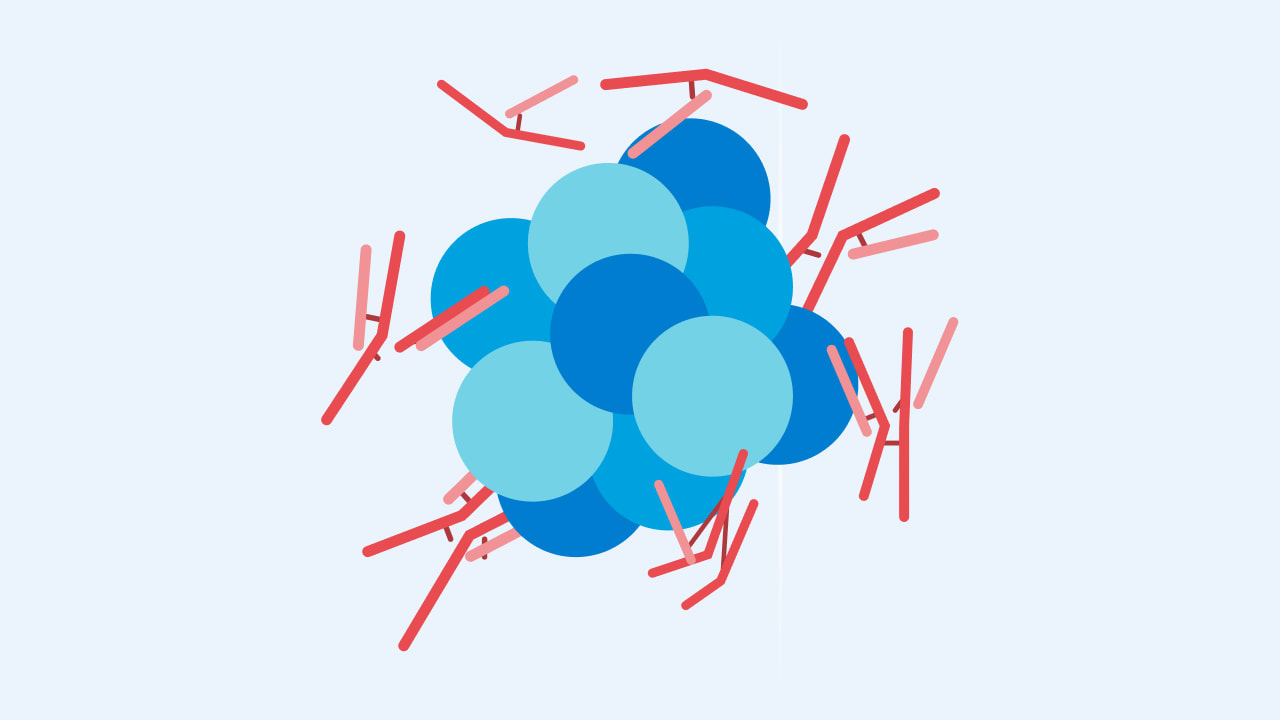
Immunology
Distinguish exhausted and effector memory T-cell states by their chromatin profiles; map autoimmune risk variants in RA, lupus, IBD, and MS to the cell types driving disease; or profile pathogenic populations in inflamed tissue.
Oncology
Identify rare cancer stem cell and treatment-persister states, map cancer GWAS variants to the tumor cell types where they act, or profile how the TME shapes and is shaped by tumor progression.
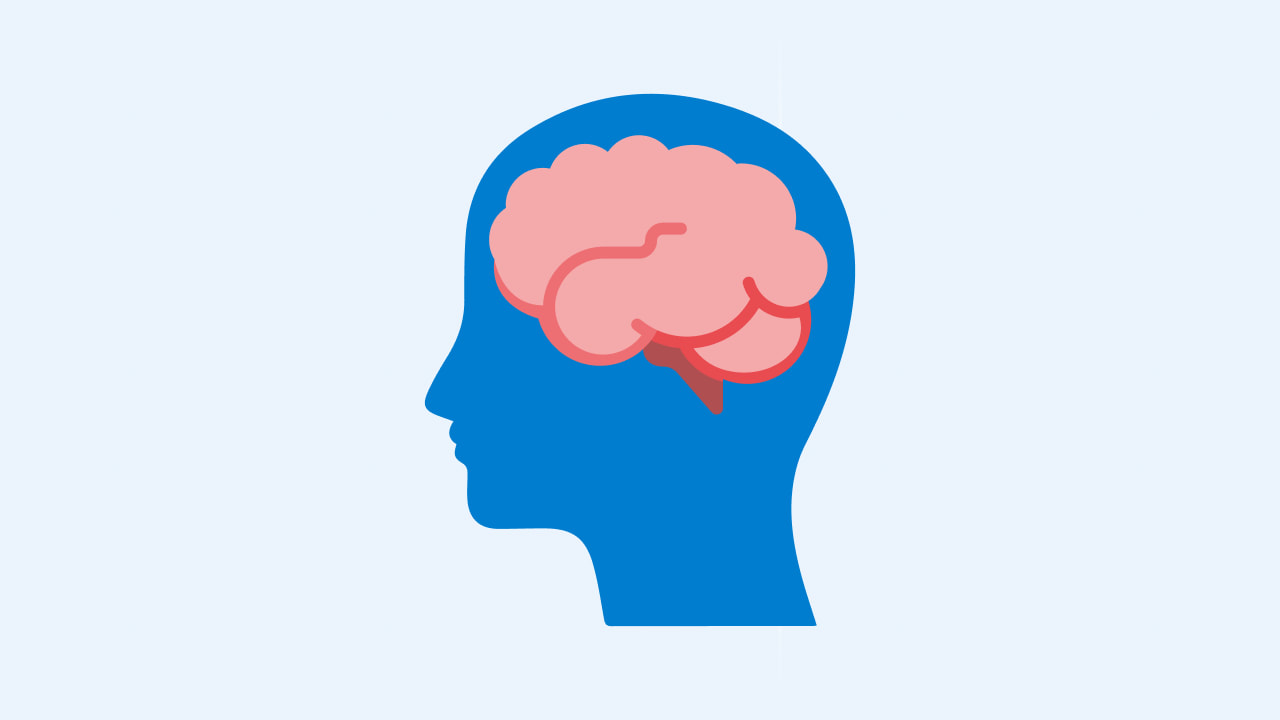
Neuroscience
Differentiate excitatory from inhibitory neuron cell types, map schizophrenia and Alzheimer’s risk variants to the responsible brain cell types, or establish whether regulatory changes precede transcription during development.
More resources to get started
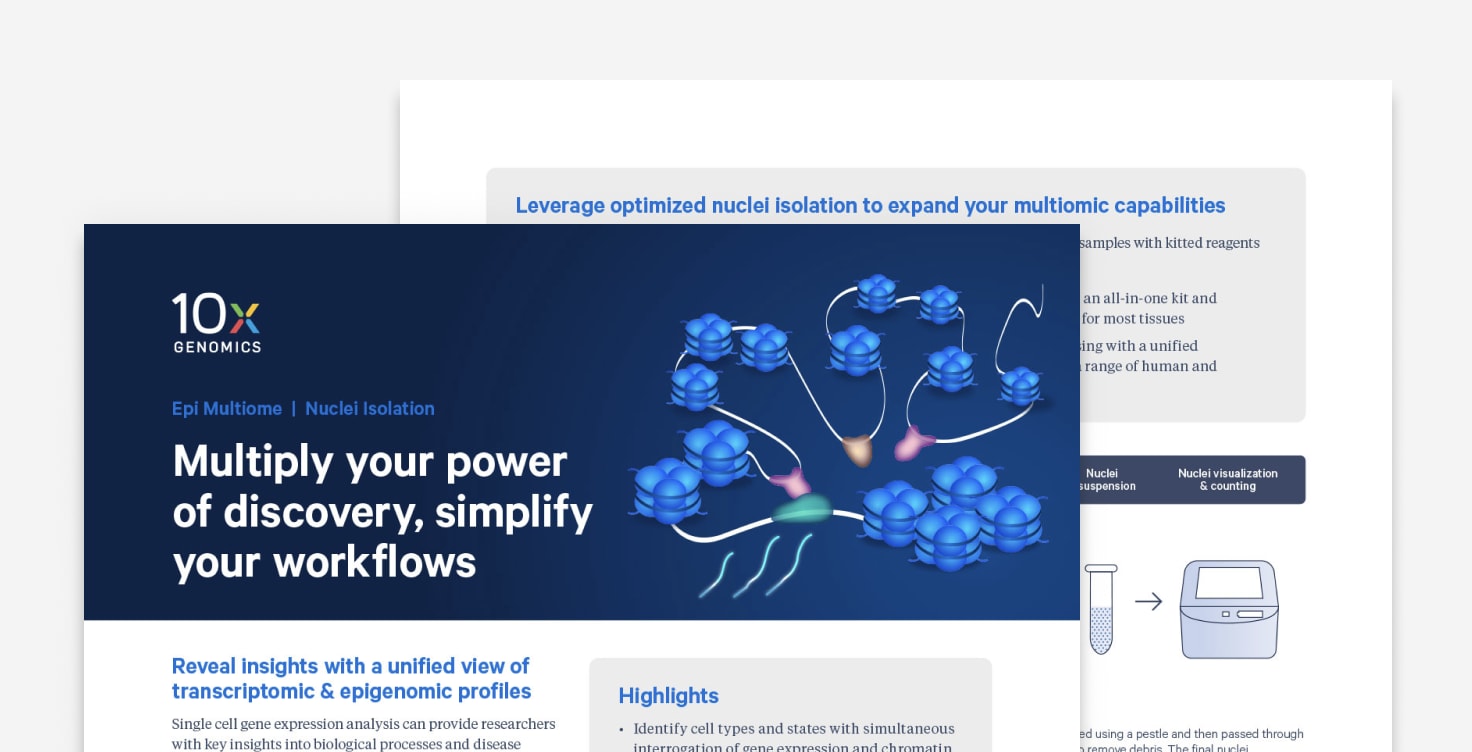
Nuclei Isolation Kit Flyer
Take the guesswork out of nuclei isolation with one optimized protocol and standardized reagents.

Epi Multiome Product Sheet
Specs, workflow, data, and more, so you can bring Epi Multiome to your bench.
Grant Application Resources
Benchmarking data and everything you need for your next grant proposal.
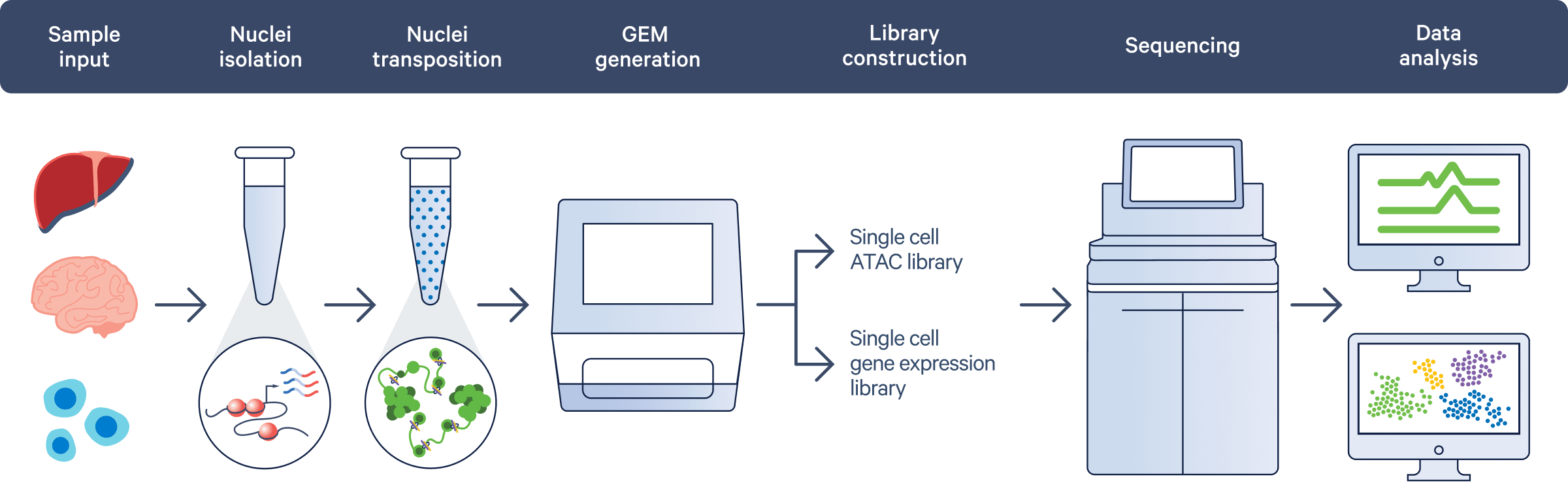
How it works: Epi Multiome
Workflow overview
Product details

Epi Multiome
